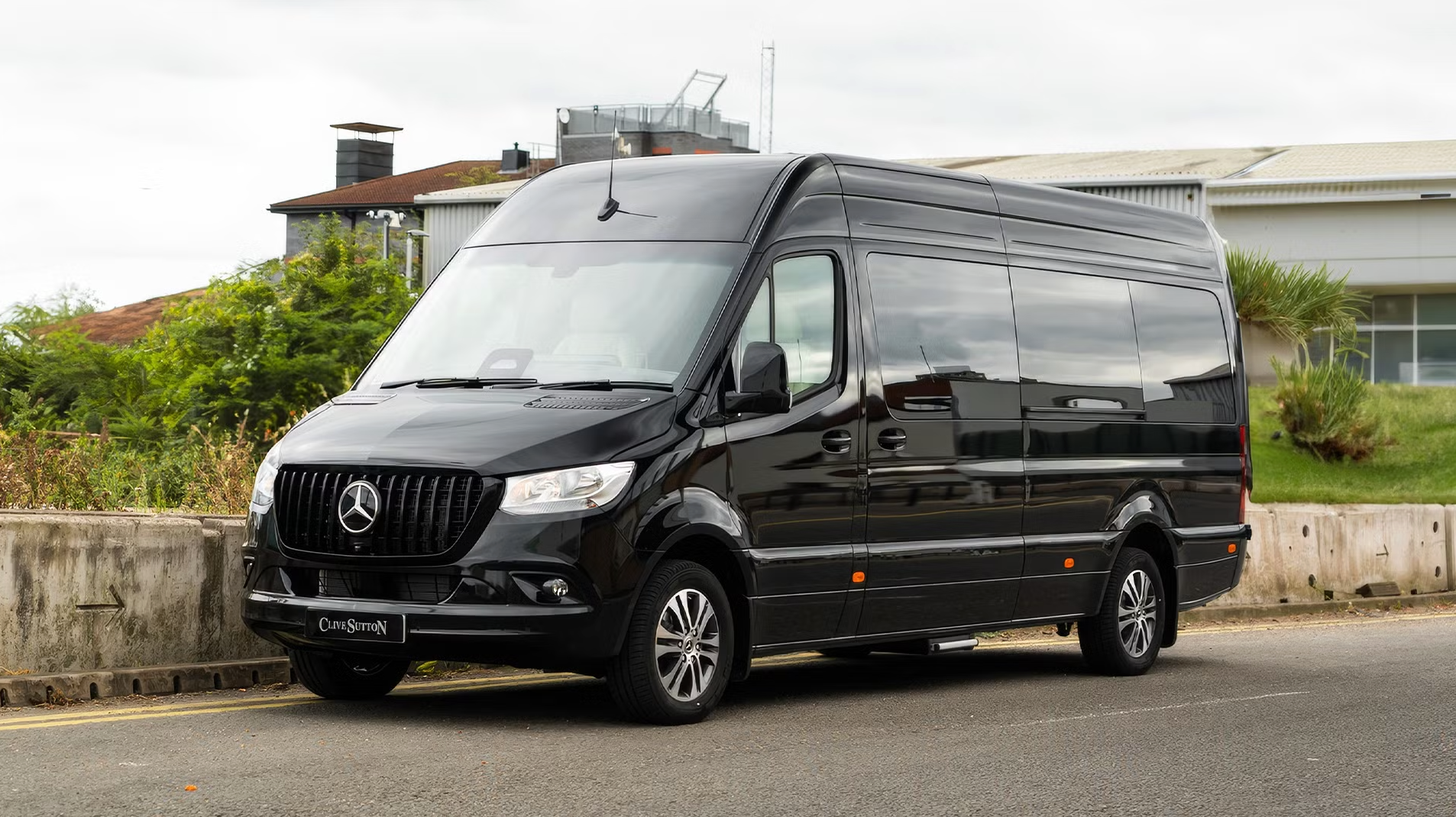
Arranging transportation for corporate occasions requires a well-considered approach that starts early in the process. Every detail, from scheduling to vehicle selection, plays a role in ensuring that attendees experience a smooth and organized journey. Well-organized transportation becomes a natural extension of the event, showcasing professionalism and precision. Effective communication is key to setting expectations and reducing misunderstandings among attendees. Establishing clear transportation plans and logistics creates a system that supports smooth execution. A carefully developed plan maintains continuity and allows participants to focus on the event’s objectives rather than logistics.
At Corporate Transportation Services, we acknowledge that group transit encompasses more than simple relocation. It involves anticipating needs, coordinating schedules, and delivering a seamless experience that aligns with limo service the tone of the event. Our strategy highlights consistency and coordination, addressing each detail with precision. Establishing a solid base enables easy adaptation without disrupting the event’s flow. Strategic planning eases the burden on coordinators while elevating the experience for guests. By prioritizing structure and clarity from the start, group transportation becomes a dependable component of any corporate gathering.
Developing a Comprehensive Transportation Strategy
An organized travel plan functions as the framework for a well-executed corporate gathering. It starts by determining attendee numbers, arrival schedules, and key locations. Mapping out these elements allows for a clear understanding of how vehicles should be allocated and scheduled. Integrating contingency time ensures continuity despite unexpected setbacks. Coordination with planners ensures seamless integration with the event timeline. By developing a detailed plan, you establish a system that promotes efficiency and minimizes the risk of disruptions.
Flexibility in modifying the plan without affecting the experience is just as important. Changes in attendance or timing can occur, and a flexible approach ensures that transportation remains seamless despite adjustments. Communicating changes to stakeholders helps sustain organization and clarity. Proper documentation offers clarity and consistency for everyone involved. Structured planning strengthens both operations and overall presentation. When every detail is accounted for, group transportation becomes a cohesive and dependable element of the event.
Determining the Best Vehicles for Convenience and Efficiency
Vehicle selection plays a significant role in shaping the quality of group transportation. Multiple factors contribute to selecting the most appropriate vehicles. Roomy interiors, supportive seating, and updated features enhance passenger comfort. Well-serviced vehicles ensure consistent performance and dependability. Proper matching of vehicles enhances both comfort and efficiency. Strategic selection enhances comfort and minimizes travel stress.
Maximizing vehicle utilization is key to maintaining efficiency. Coordinating multiple vehicles for larger groups requires careful planning to avoid delays and overcrowding. Allocating passengers to designated vehicles and sharing this information simplifies operations. A structured fleet ensures seamless movement and schedule adherence. Detailed planning underscores a professional approach. The right choices make transportation a key element of the event.
Maintaining Strong Communication Frameworks
Strong communication is vital to maintaining smooth transportation operations. Giving participants precise details about pickup points and schedules reduces misunderstandings. Diversified communication methods improve accessibility. Consistent updates improve clarity and participant confidence. Clear expectations encourage punctuality and cooperation. Open communication ensures rapid response to challenges.
Ongoing communication supports real-time efficiency. Immediate communication helps manage adjustments effectively. Team coordination enhances responsiveness. Designated contacts strengthen overall coordination. Structured communication highlights attention to detail. Effective messaging makes transportation reliable.
Coordinating Schedules for Maximum Efficiency
Well-structured scheduling is crucial for integrating transportation into the event flow. Clear timing for pickups and drop-offs helps maintain schedule accuracy. Including buffer considerations for travel time helps maintain on-time performance. Coordinating transportation with the event agenda ensures that attendees arrive on time and without unnecessary stress. A well-planned schedule contributes to a smooth and organized experience for everyone involved. By prioritizing timing, you create a system that supports efficiency and reliability.
Built-in flexibility ensures the schedule can handle unexpected shifts. Permitting schedule modifications ensures continued effectiveness during changes. Continuous oversight supports proactive issue management. Timely updates help maintain clarity and trust among attendees. A well-balanced timetable integrates structure and adaptability. When timing is managed effectively, group transportation enhances the overall success of the event.
Improving the Overall Passenger Experience
The quality of the passenger experience is a defining factor in successful group transportation. Passenger comfort and vehicle cleanliness enhance the overall journey. A pleasant travel setting contributes to a positive atmosphere. Thoughtful touches, such as climate control and smooth rides, enhance overall satisfaction. Making passengers feel appreciated demonstrates service excellence. Attention to experience makes transportation part of the event itself.
Consistency in service requires comprehensive attention to detail. Experienced drivers and reliable vehicles support a seamless transportation process. Understanding rider needs improves service delivery and satisfaction. Good travel experiences enhance overall event reputation. Prioritizing comfort transforms logistics into a positive experience. It reinforces the significance of well-planned operations.
Coordinating Operational Details with Careful Planning
Effective logistics management is central to smooth group transportation. Handling routes, timing, and assignments requires detailed coordination. Aligning all components builds an efficient and unified system. Real-time management improves responsiveness. Anticipating issues allows problems to be resolved before affecting the event. Exact planning supports dependable outcomes.
Thorough oversight ensures readiness and coordination. Maintaining a clear overview of operations helps ensure that all elements are functioning as intended. Coordination among staff strengthens service execution. Uniform execution enhances credibility. Efficient logistics ensure smooth event transportation. High-level coordination indicates service quality.
Ensuring a Seamless Journey That Leaves an Impression
Ease and comfort define successful events, and transport is a major contributing factor. Thorough planning ensures transport blends into the event. Reliable service and attention to detail create a memorable experience. Well-coordinated transport supports smooth event progression. Reducing logistical concerns allows focus on objectives. Effective planning leaves a positive and lasting impact.
At Corporate Transportation Services, we deliver services designed for professional event needs. Our dedication guarantees careful and high-quality service. Careful coordination benefits both organizers and attendees. Thorough planning ensures a comfortable journey. Expert handling of transport improves event quality and impact. Allow us to support your corporate event with seamless transportation.
Comments on “Recommendations for Organized Group Transit at Corporate Gatherings”